Breeding Herds of Elephant Return to West Lunga National Park
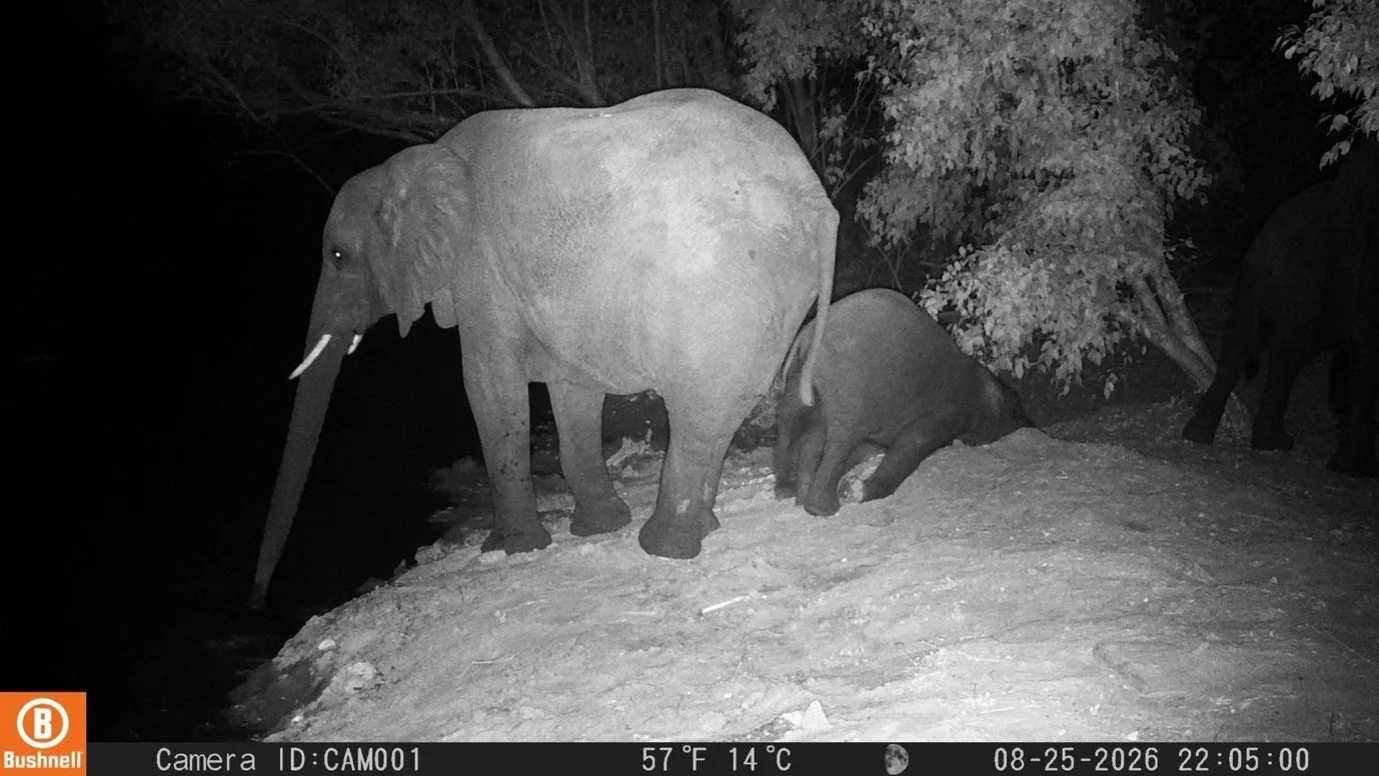
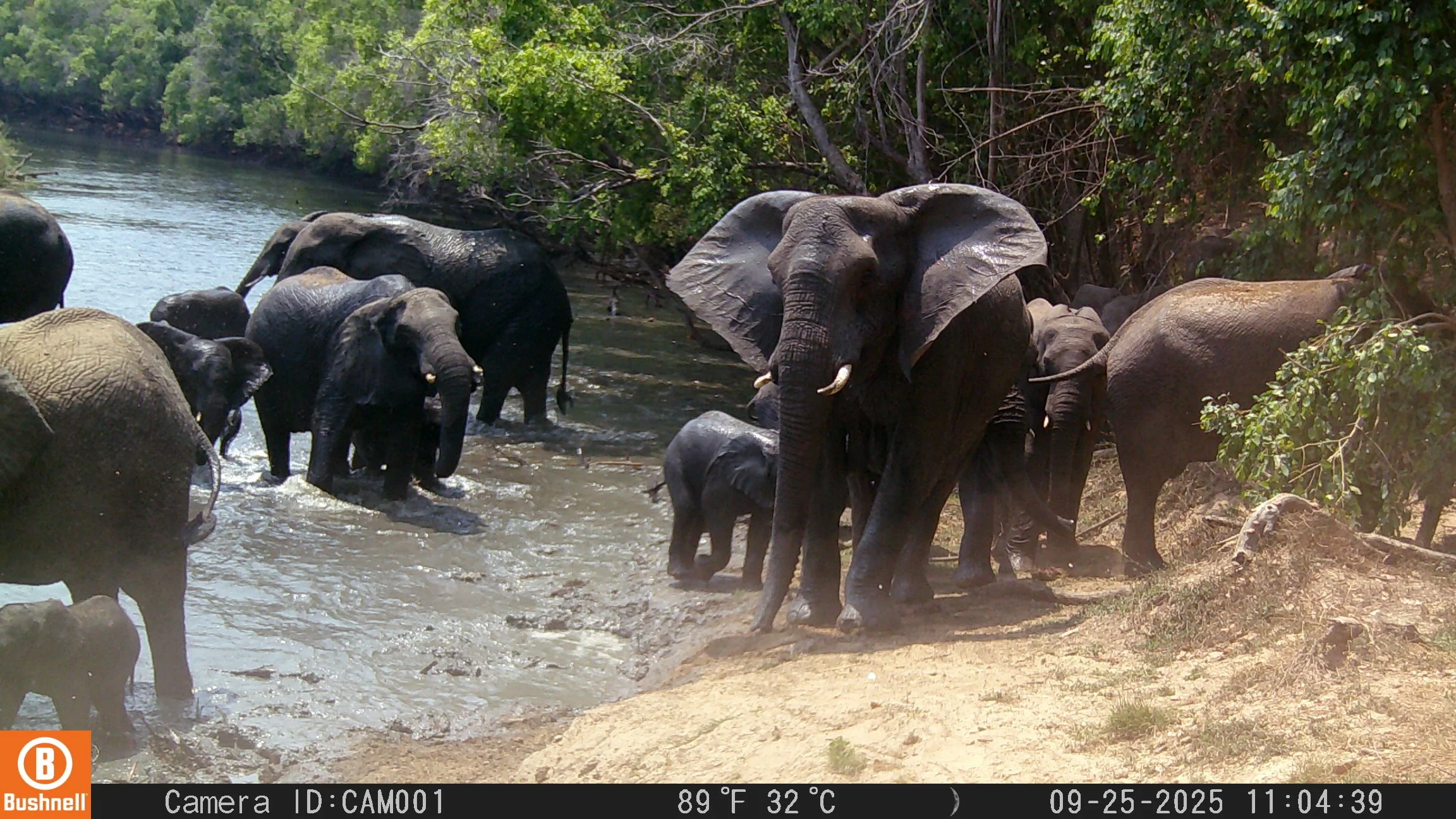
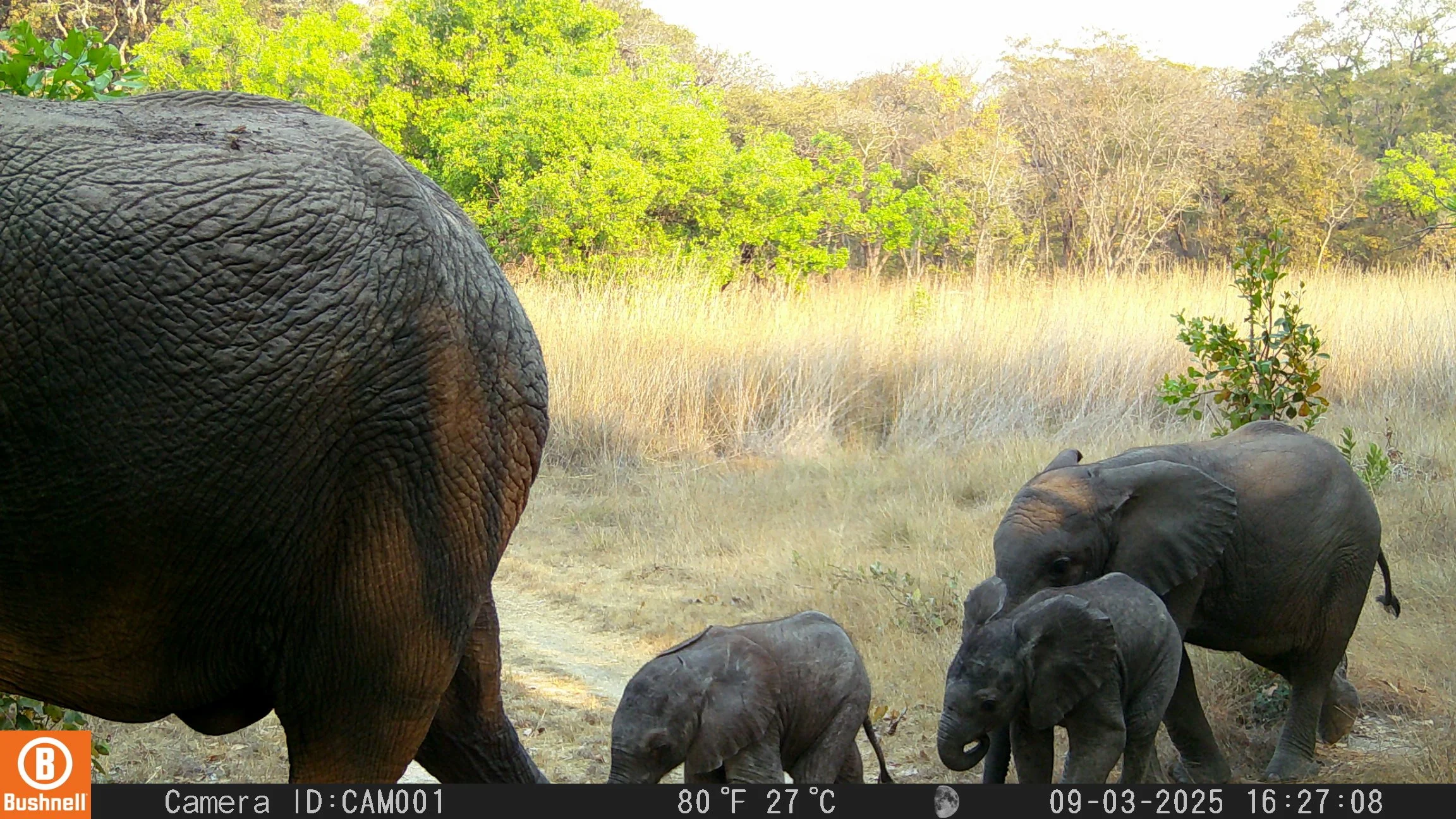
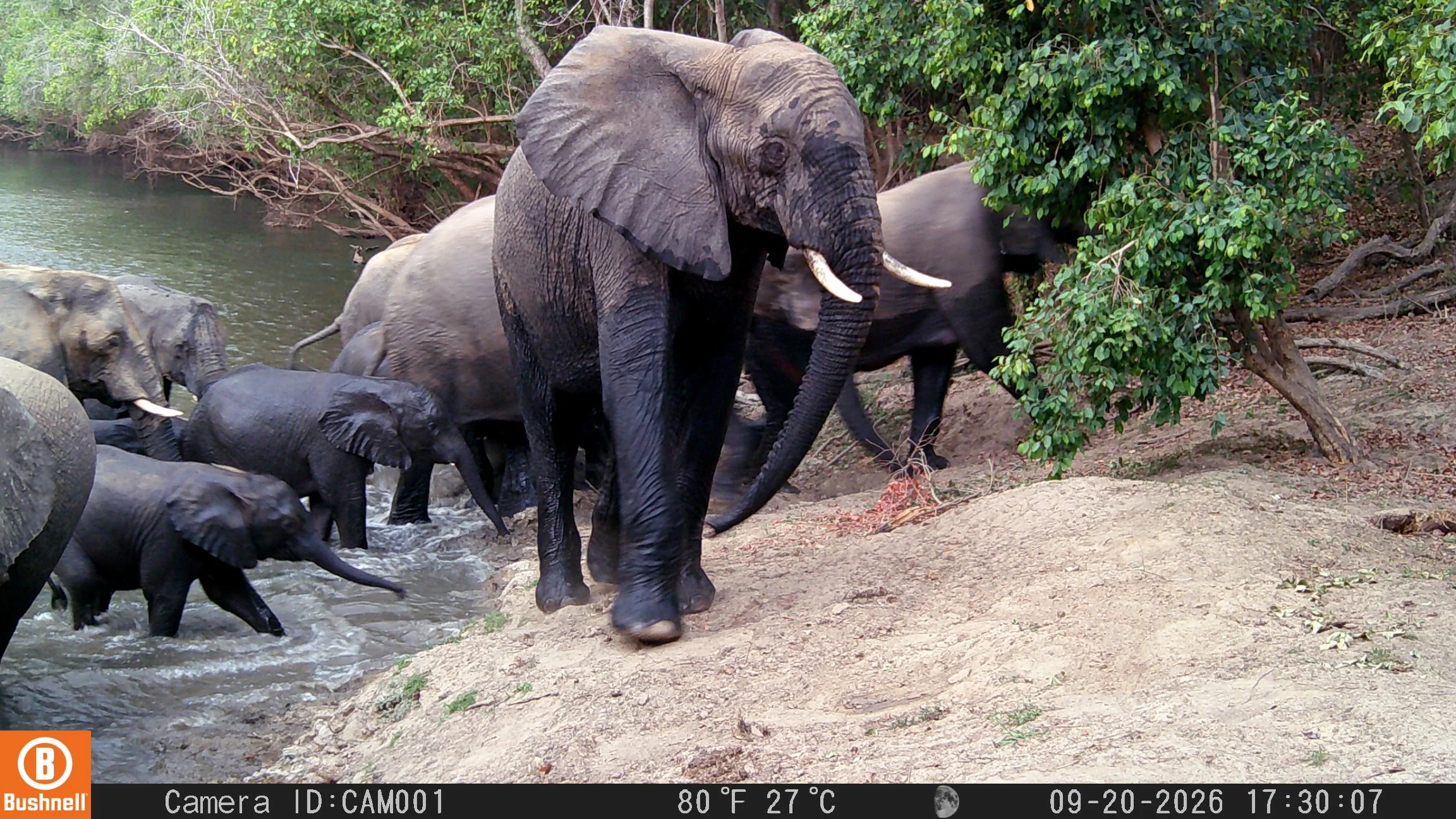
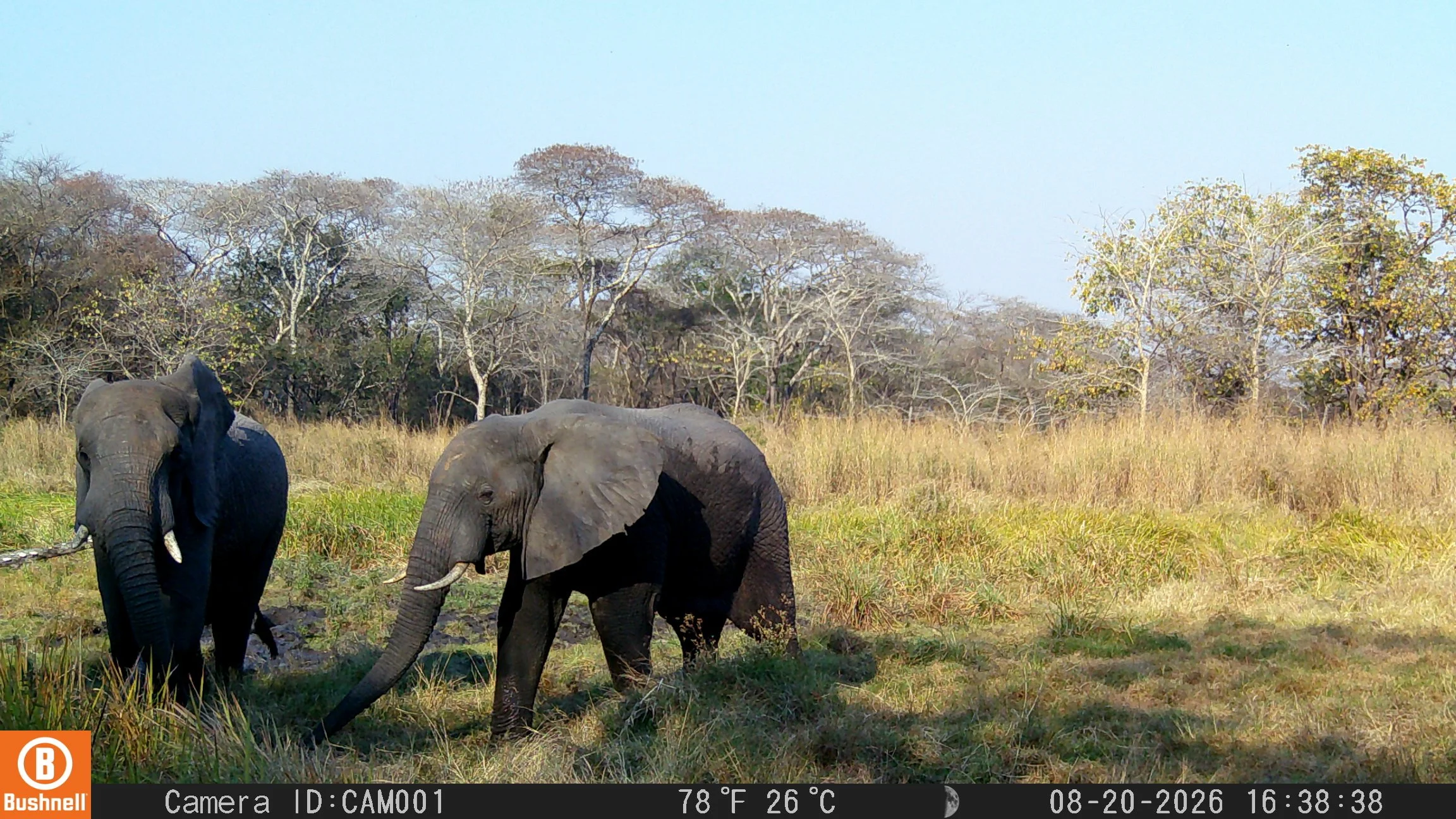
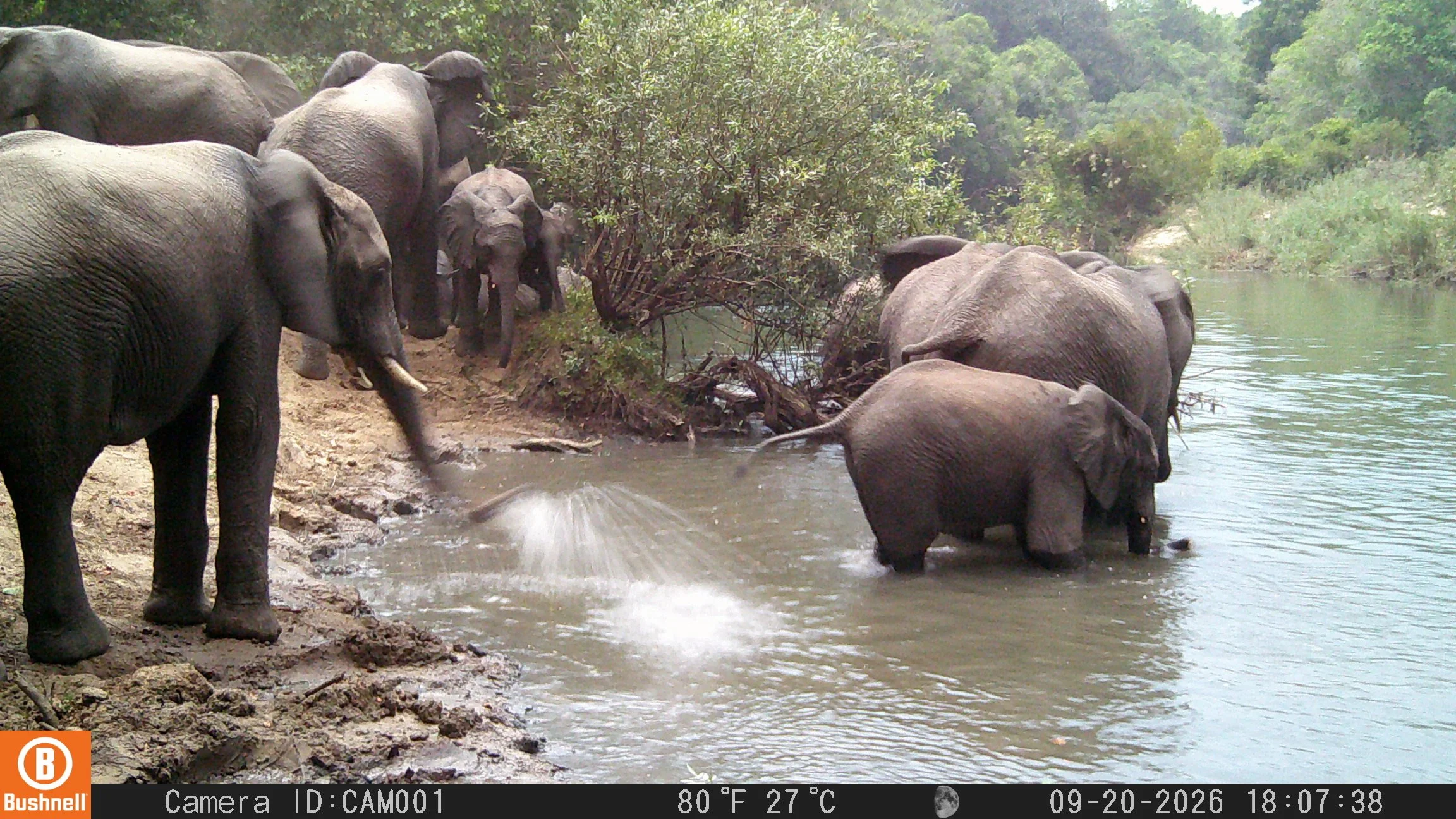
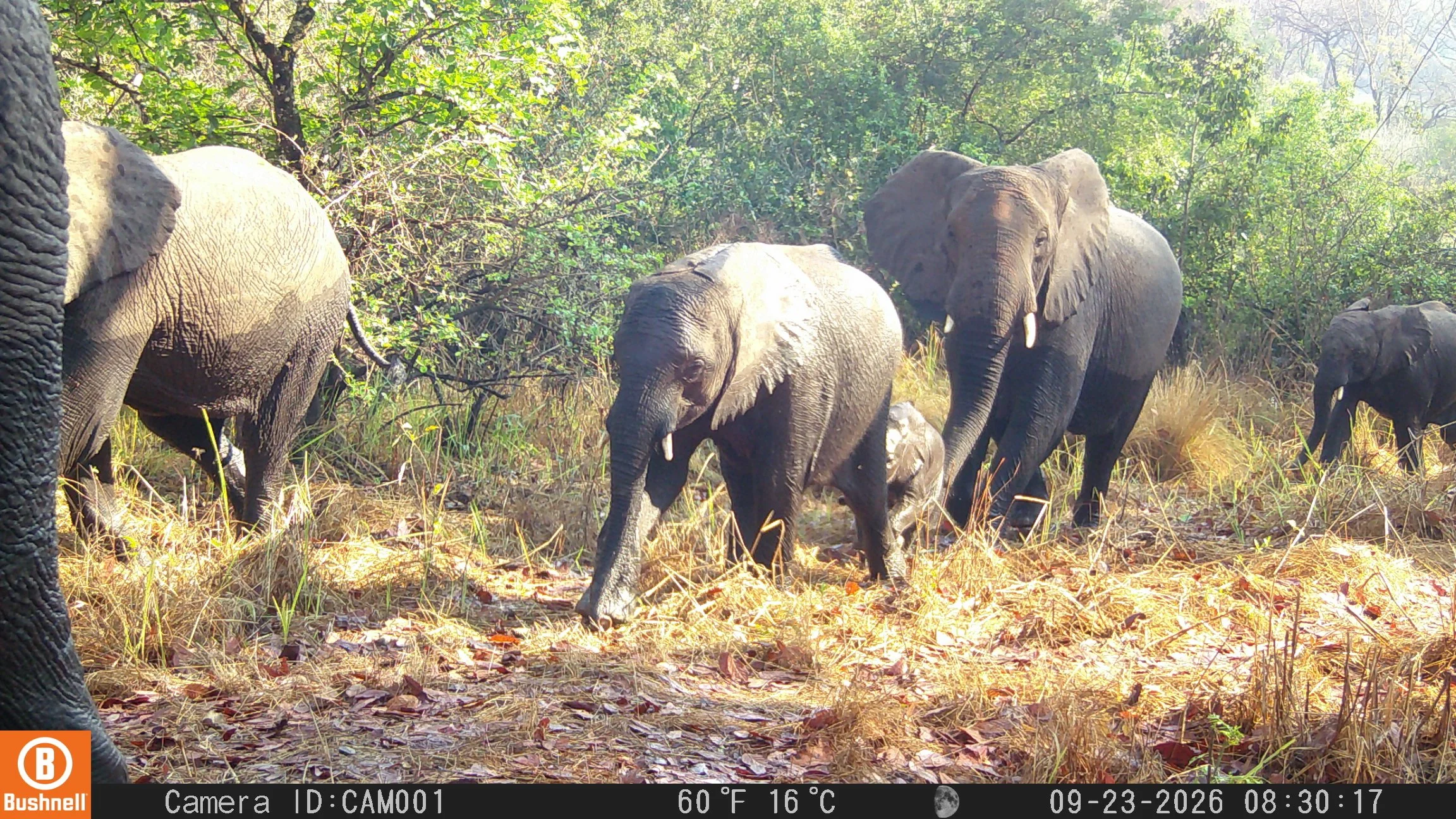
‘Elephants, for which the Reserve serves as one vast breeding ground and nursery, were plentiful, and there were times, when encamped near their water-holes at night, when one felt that the ‘Lunga Elephant Reserve’ would have been a far more appropriate title than the one under which, at present, it so modestly exists.’
Game Ranger, Kabompo Tour Report, 1953
When The West Lunga Support Programme was initiated in 2014, elephant had not been physically recorded in the park for several years but the odd track and sign had been evident. This is contrary to British Colonial Trip Reports from Wildlife Rangers in the 1950s, proclaiming the area as a ‘vast breeding ground’ for elephants. By 2014, this description was unimaginable. Wildlife numbers in the park had been decimated by decades of poaching, uncontrolled fire, and inadequate management. West Lunga’s elephants had left, been hunted, or gone into hiding in the dense evergreen vegetation.
Over the past few years, however, this situation has undergone a paradigm shift: elephants have returned to West Lunga. Due to the efforts of the Department of National Parks and Wildlife (DNPW) Rangers with support from the West Lunga Conservation Project (WLCP), law enforcement in the park has been strengthened, large areas remain fire free, and communities have been supported with conservation-based economic alternatives to poaching. The clearest sign of success is the repopulation of elephants.
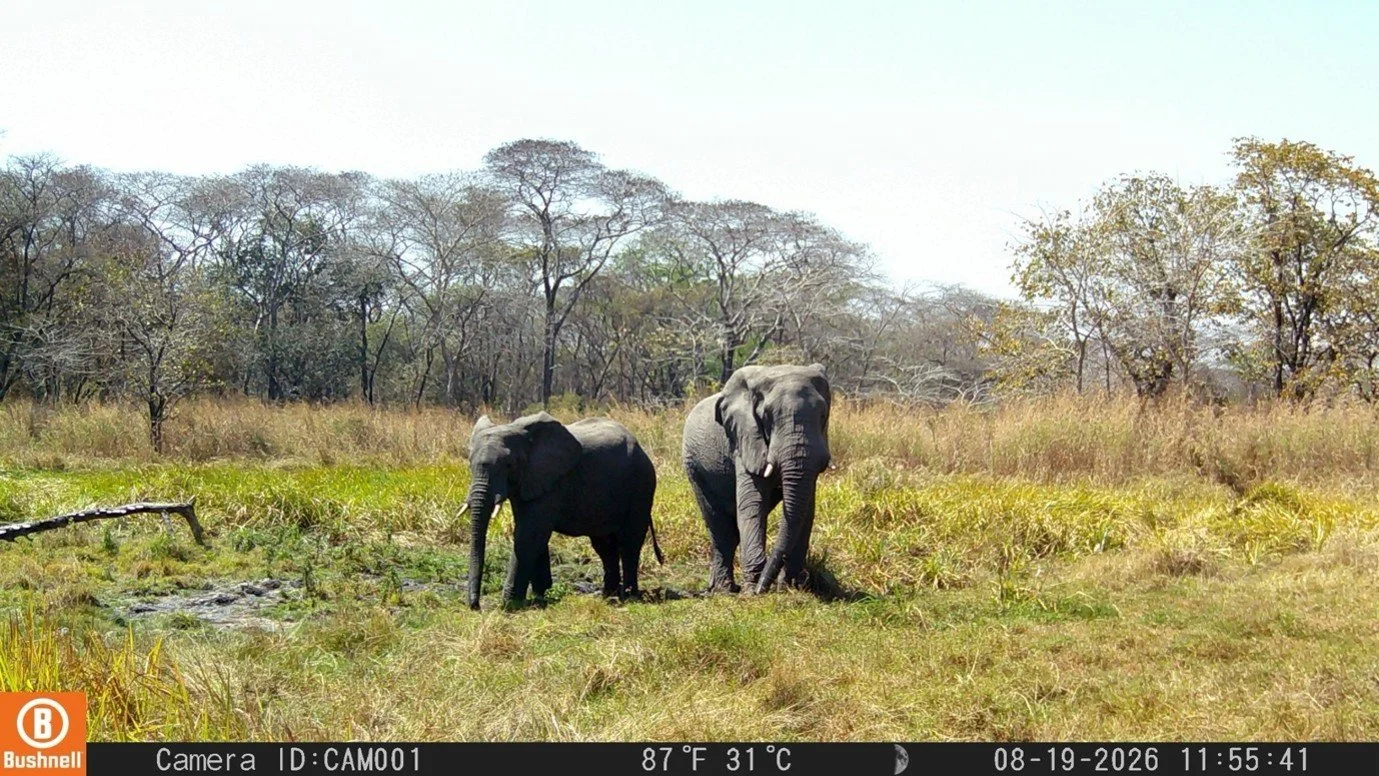
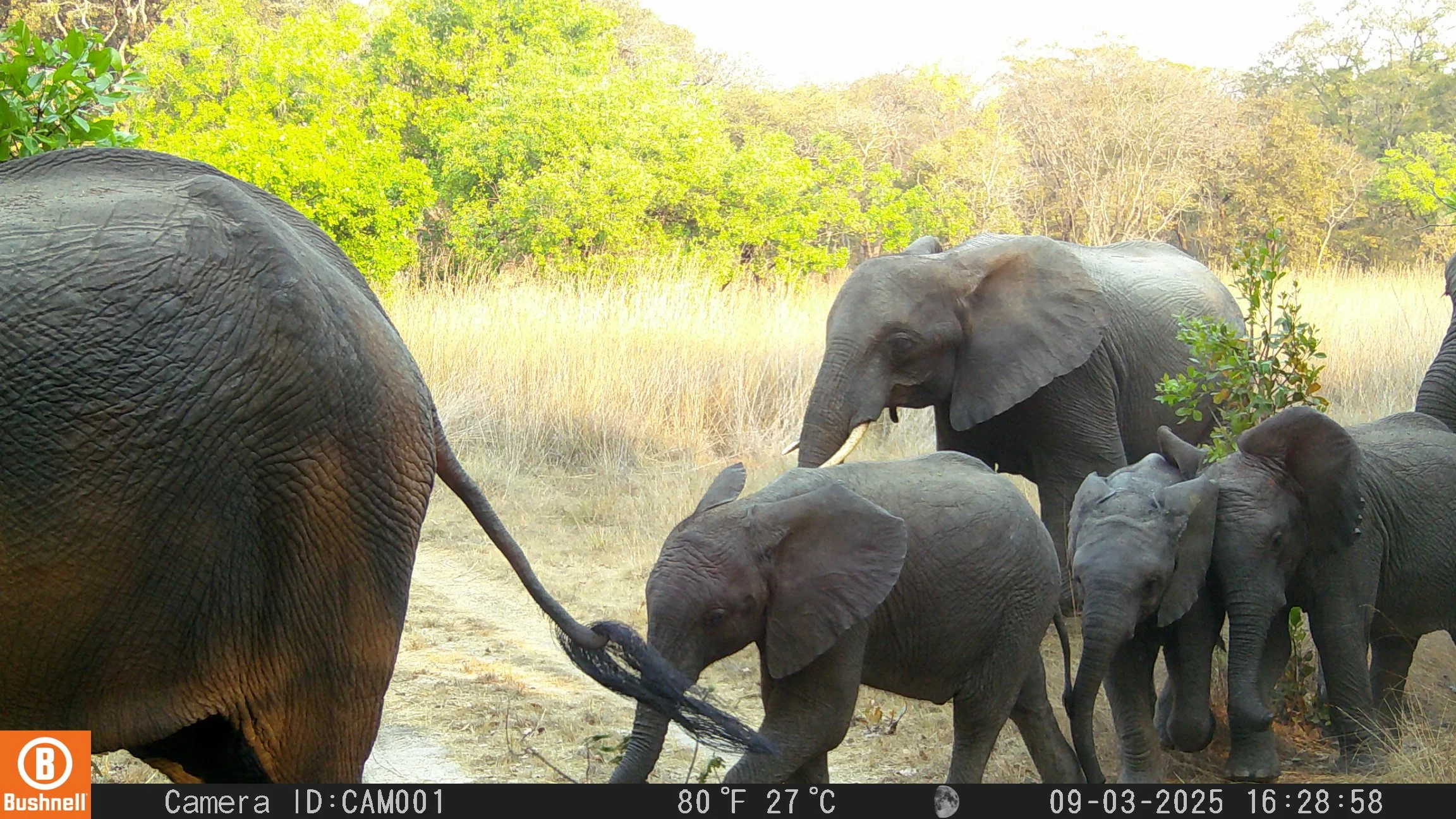
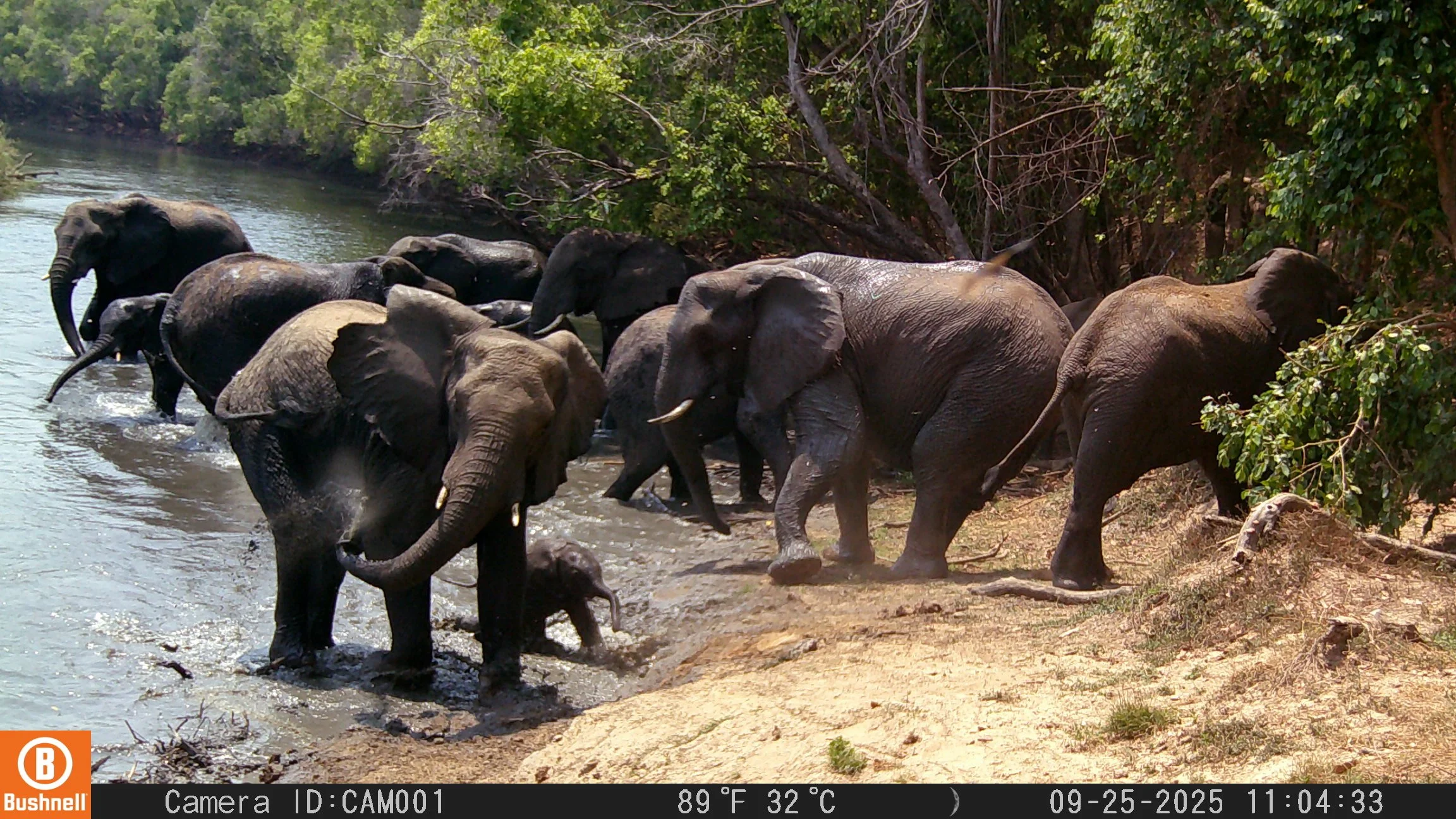
Camera traps and first hand observations have identified elephant activity across wide areas of the Park, including large breeding herds of up to 40 individuals. It appears many of these elephants have made their way to West Lunga through a historical wildlife corridor from the Greater Kafue Ecosystem. It is unclear what has prompted these elephants to embark on this long journey now, but they appear to be here to stay.
The return of the elephant to West Lunga is a conservation success, but it also opens up many unanswered questions. Why are the elephants returning now? What are the implications for the ecosystem? What does it mean for the communities living around the Park, and how can we ensure peaceful human-elephant coexistence? It also opens the door to potential future plans for reintroduction of other species that were commonly seen in the 1950s Trip Reports, including large carnivores like lion and leopard.
This is an exciting time for West Lunga, which once again may deserve the title of the ‘Lunga Elephant Reserve’.